
General Dentistry in Mt Eliza
Dental Care for Your Family
From routine examinations and hygiene appointments to children’s dentistry and custom dental appliances, The Smile Place provides general dental care in Mt Eliza. Our team can help you understand your oral health, discuss concerns and consider the options available to you.
Explore our general dental services below. Your dentist will discuss any recommended treatment, including costs, risks and alternatives, before you decide.
Dental Examinations
A dental examination is an opportunity to assess your oral health, discuss any changes you have noticed and plan ongoing care. At The Smile Place Mt Eliza, your dentist examines your teeth, gums, mouth, lips, palate and tongue for signs of disease or anything unusual. Please tell us about any discomfort, sensitivity, changes to your medical history or concerns about your teeth.
For most patients, the practice recommends examinations approximately every six months. Your own recall interval will depend on your dental health and the care you need. New patients are generally allocated a full hour for their first examination, allowing time to get to know you and discuss your priorities.
X-rays may be recommended when clinically indicated. A panoramic image, also called an OPG, can show the teeth and jaws and assist with assessing wisdom teeth. Smaller bitewing images help assess areas between teeth that cannot be seen directly. The practice uses digital x-ray equipment; your dentist will explain why an image is recommended and answer questions before proceeding.
If you have had x-rays at another practice, we can request them on your behalf with your signed consent. Your dentist will discuss findings and treatment options with you, and provide a written treatment plan if further care is needed. Where available, reception can help obtain an estimate of your health fund benefit. Benefits depend on your cover and the treatment proposed.
Cleaning & Scaling (Hygiene)
Looking after your teeth involves both professional care and your daily routine at home. Scaling and cleaning removes plaque and hardened deposits, known as calculus, from tooth surfaces. These deposits can build up in places that are difficult to reach with a toothbrush. Your dentist or hygienist will assess your gums and discuss the type of cleaning appropriate for you.
Our preventive maintenance program combines examinations, cleaning and advice based on your oral health. Many patients attend at six-monthly intervals, while others need a different schedule. The aim is to monitor your teeth and gums over time and identify concerns that may need attention. A maintenance program is tailored to you rather than being the same for every patient.
During your visit, please ask about brushing, cleaning between your teeth and any areas you find difficult to reach. We can help you establish a practical home-care routine and review it at later appointments. Professional cleaning does not replace daily oral hygiene, and caring for your teeth at home remains an important part of maintaining gum and tooth health.
We can arrange your next examination or clean while you are at the practice, so you can discuss your preferred practitioner, day and time with reception. Appointment reminders may be sent by text, email or telephone. Let the team know your preferred contact method and any changes to your contact details.
Hygiene & Periodontal Health
Your gums and the tissues supporting your teeth are an important part of your dental health. Bleeding when brushing, gum irritation or changes around your teeth should be discussed with your dentist. Assessment may identify a need for periodontal cleaning, further treatment or referral to another practitioner. Your dentist will explain the findings and the recommended next steps.
Cleaning Below the Gum Line
Plaque and calculus can accumulate below the gum line. Where appropriate, treatment may involve cleaning the root surfaces with dental instruments. This is sometimes described as root surface debridement or root planing. The approach depends on your gum health and the areas affected. Your practitioner will discuss what is involved, any likely discomfort and the care needed afterwards.
Checking the Soft Tissues of Your Mouth
Dental care is not limited to your teeth. During an examination, your dentist also checks the soft tissues of your mouth for changes that may need further assessment. Tell your dentist about persistent ulcers, patches, lumps or other changes you have noticed. Tobacco and alcohol use can affect oral health, so it is helpful to discuss these as part of your medical history.
After Your Appointment
Follow any individual instructions provided after your cleaning or periodontal treatment. If you have questions about sensitivity, brushing or your next appointment, contact the practice. Ongoing reviews allow your practitioner to assess your response to treatment and adjust your maintenance program when needed.
Children’s Dentistry
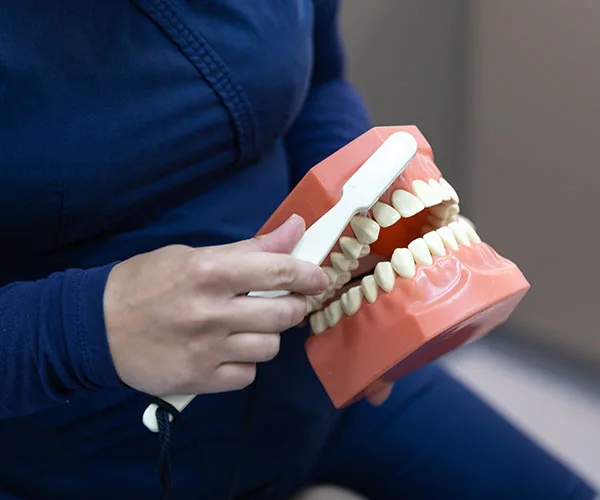
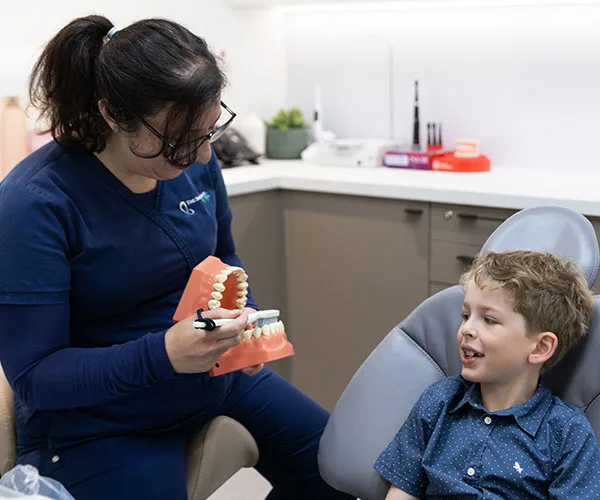
A child’s first dental visit is an introduction to the dental environment as well as a check of their developing teeth. The practice encourages a first appointment within about six months of the first tooth appearing, or by the child’s first birthday. This gives parents an opportunity to ask about cleaning, teething and looking after new teeth.
We take account of what your child is comfortable with during an examination. Early visits can help make dental appointments a familiar part of family life rather than something that happens only when a tooth needs treatment. Tell reception about any concerns before the appointment so the team can discuss your child’s needs.
When Should We Start Brushing?
Teeth need cleaning as soon as they appear. Use a small, soft child’s toothbrush and ask your dentist about an age-appropriate toothpaste and the amount to use. Young children need help and supervision with brushing. Your dentist can demonstrate a technique suited to your child and discuss fluoride and toothpaste use at their visit.
How Often Should My Child Visit?
Your dentist will recommend an interval based on your child’s oral health and development. The practice commonly recommends six-monthly reviews, but individual needs vary. Regular visits give you time to discuss changes, brushing routines and any concerns as your child grows.
Child Dental Benefits Schedule (CDBS)
Eligible children may access assistance with basic dental services through the Child Dental Benefits Schedule. If you have received eligibility information from Medicare, tell reception when arranging the appointment and bring your Medicare card. Reception can discuss eligibility checks, available benefits and the services proposed before treatment begins.
The practice’s source information describes bulk billing for eligible CDBS services. Confirm the current arrangements, your child’s available benefit balance and any potential out-of-pocket costs when booking. You will be asked to consent to treatment at each visit. Eligibility and benefit limits are determined by the scheme, not by the practice.
Covered services may include examinations, cleaning, fluoride treatment, fillings, some x-rays and extractions, subject to the scheme’s rules and the child’s remaining benefits. If treatment is not covered, the dentist will discuss this and provide an estimate so you can decide whether to proceed.
You cannot claim a Medicare dental benefit and a private health insurance benefit for the same service. If a service falls outside CDBS coverage, ask reception whether your private cover may apply. For current eligibility and benefit information, refer to Services Australia or speak with our reception team before your child’s appointment.
Family Dentistry
The Smile Place provides general dental care for patients at different stages of life, from toddlers and teenagers to adults. Family appointments are an opportunity to discuss the different needs of each person, including developing teeth, preventive care and concerns that have arisen between visits.
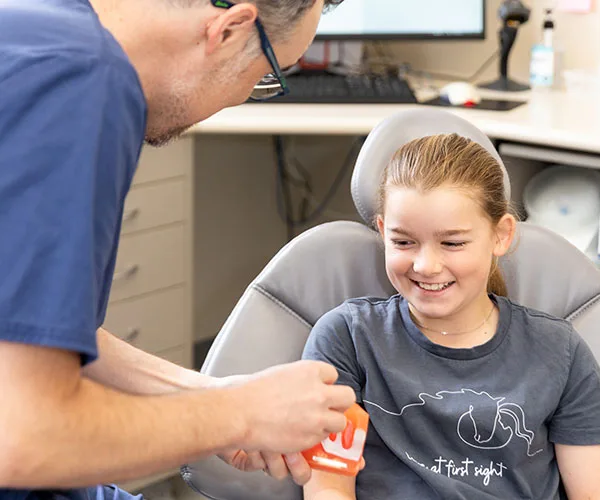
For a young child’s initial visit, the dentist will examine their mouth and teeth as much as they are comfortable with. The source practice page describes introducing children to the chair with a family member and using small touches such as stickers to make the setting more familiar. Talk with reception about arranging appointments for family members together.
Preventive dental care begins with a routine that can be continued at home. Your dentist can discuss cleaning, diet and the timing of future examinations. If a family member needs treatment, the options and costs will be explained individually. Everyone’s dental health is different, even within the same family.

Custom Mouthguards
Sports that involve contact with the face can place teeth and the surrounding tissues at risk of injury. A custom-fitted mouthguard is designed to help absorb an impact and protect the mouth. Discuss a mouthguard if you or your child participates in contact or collision sports, or activities where falls or unexpected contact are possible.
This includes sports such as football, rugby, boxing, basketball, hockey, water polo, lacrosse, netball, soccer and cricket. Activities such as BMX riding, skateboarding, horse riding and skiing may also involve a risk of contact or falls. The appropriate protection depends on the activity and your individual circumstances.
Dental injuries can include chipped or broken teeth, damage within a tooth, tooth loss and injuries to the soft tissues of the mouth. A mouthguard reduces some risks but does not eliminate the possibility of injury. Your dentist can assess your teeth and discuss fit, comfort and the protection a custom appliance is intended to provide.
Have your mouthguard checked regularly, particularly while a child’s teeth and jaws are developing. The practice recommends a fit check approximately every twelve months. Keep it clean, store it in a rigid container and avoid heat, which can affect its shape. Bring it to your dental appointment if it has become loose, damaged or uncomfortable.
Night Guards
A night guard, also called an occlusal splint, is an appliance that may be recommended to help protect teeth from the effects of clenching or grinding. It is made to fit your teeth and is usually worn at night. Your dentist will first assess your teeth, jaw joints and muscles to decide whether an appliance is appropriate.
Jaw discomfort, aching teeth, tension-type headaches, pain when eating or difficulty opening and closing your mouth can have different causes. These symptoms do not necessarily mean you grind your teeth. Discuss them with your dentist so the cause can be assessed and suitable management options considered.
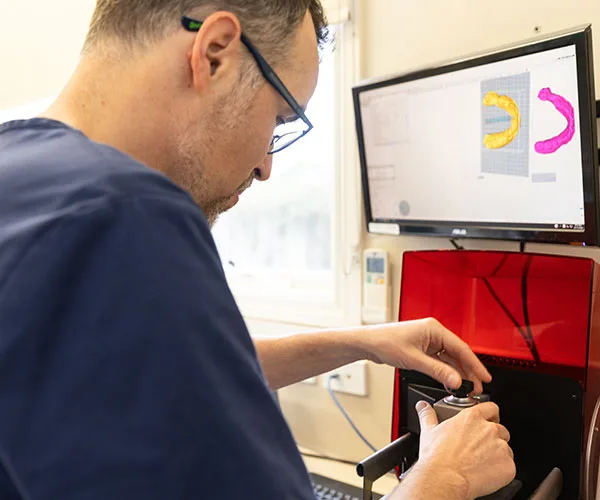
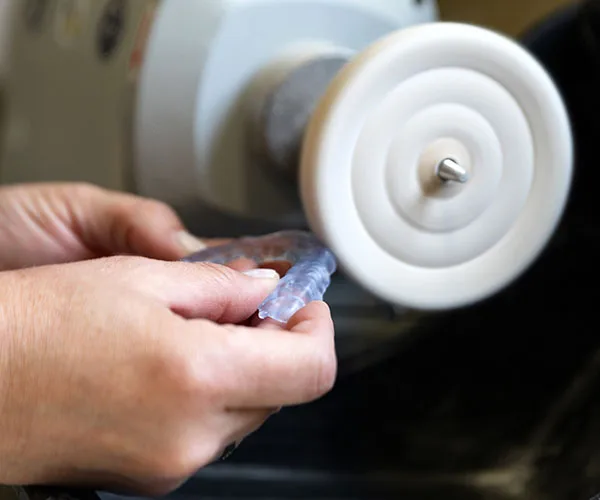
If a splint is recommended, the dentist takes impressions or scans of your teeth. These are sent to a dental laboratory to make the appliance, often in clear acrylic. The practice’s source information gives a usual laboratory time of one to two weeks; timing may vary. Your dentist will check the fit and explain how to wear and care for it.
An appliance is not suitable for everyone, and ongoing review may be needed. Let your dentist know if you find it difficult to wear or notice changes in symptoms. Your dentist can discuss alternatives, the expected benefits and limitations of treatment, and whether further assessment or referral is appropriate.
Jaw Muscle Concerns
Clenching, grinding and jaw muscle concerns can affect everyday activities such as eating and opening your mouth. Symptoms described on the practice’s service page include jaw, facial or tooth discomfort, headaches and difficulty moving the jaw. Because these symptoms have a range of possible causes, an assessment is needed before treatment is recommended.
Your dentist will ask about your symptoms and examine the relevant areas. Tell them about existing medical conditions, medications and any previous treatment or appliances. This information helps guide discussion of the options and whether another practitioner should be involved in your care.
Management may include an occlusal splint or other approaches suited to your circumstances. If you find a night guard difficult to wear, raise this with your dentist rather than stopping or changing treatment without advice. Your dentist can explain the potential benefits, risks, limitations and alternatives of any proposed care.
Treatment is individual and outcomes vary. The choice of an approach, the need for follow-up and any costs should be discussed before you decide. Contact reception to arrange an assessment of persistent jaw symptoms or to ask about reviewing an existing treatment plan.

Planning Your Visit
Our reception staff can help arrange appointments for you and your family. Find out about our facilities, health fund claiming, payment arrangements and what to expect when you first visit the practice.
Your First Visit